 Dypressuregauge

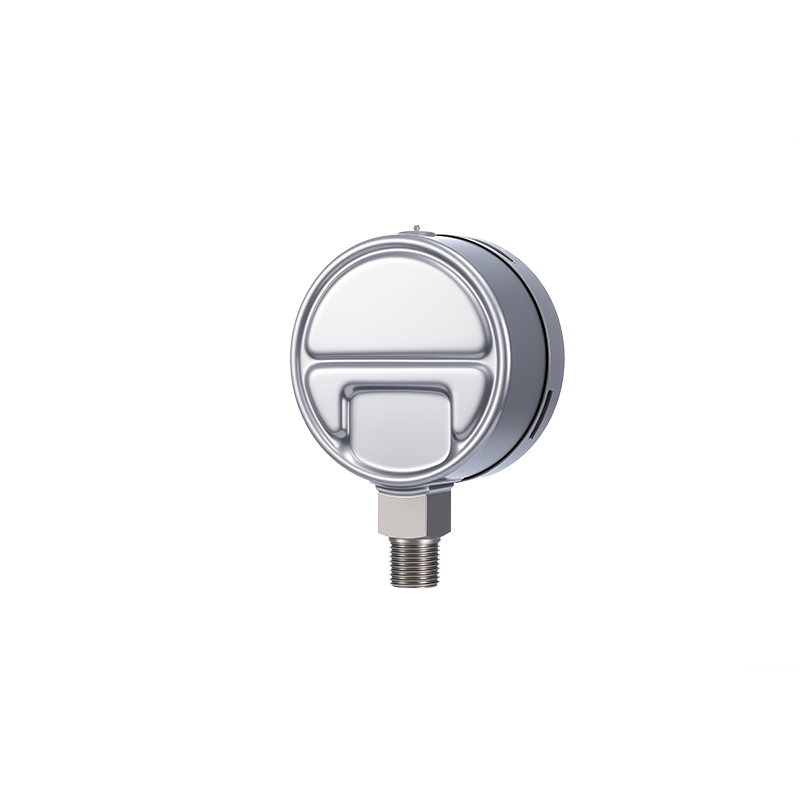
Stainless Steel Capsule Pressure Gauge 4 Inch Radial Direction
Use this catalog gauge as a reference when checking clearance around the case and below the dial.
- Listed dial size4 in.
- Connection positionBottom (radial)
- Case materialStainless steel
Hangzhou Dongya Instrument Co., Ltd. accepts requests for custom 1/8 NPT mechanical gauges for local oil pressure readings on lubrication and hydraulic equipment.
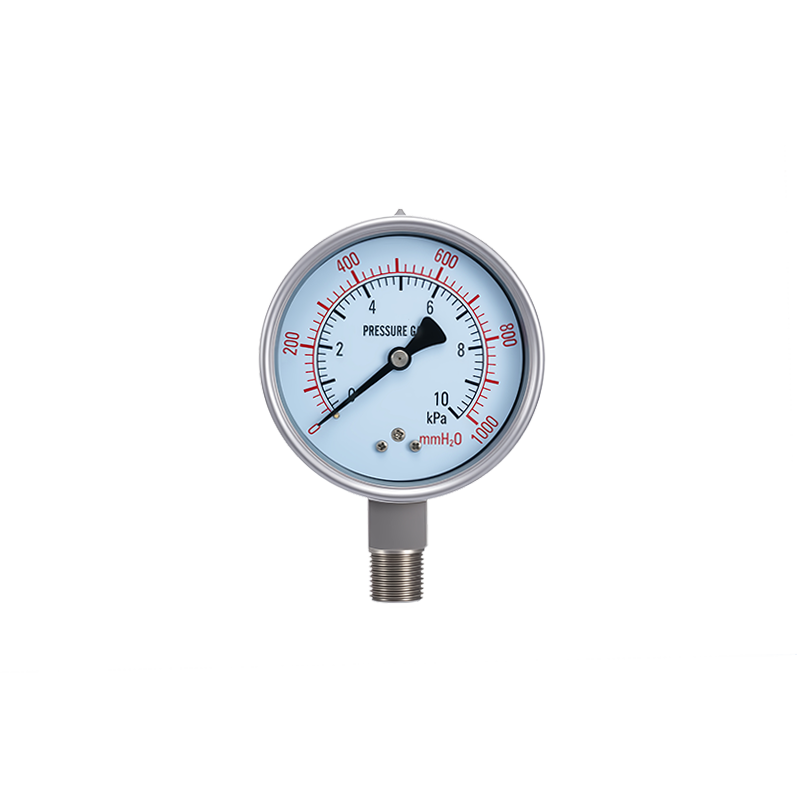
Check the equipment drawing or service manual for the port’s thread standard and whether it takes a male or female fitting. The 1/8 in. designation is a nominal pipe size. The full designation, 1/8-27 NPT, identifies a tapered thread with 27 threads per inch.
A 1/8 BSPT connection has 28 threads per inch. If the equipment has a different thread, specify both connections and check that the adapter is rated for the oil, pressure, and temperature at the measurement point.
Use the normal pressure at the measurement point to choose a dial scale you can read easily. For an engine, include both the hot-idle pressure and the cold-start peak. At a hydraulic pump outlet, include the normal operating pressure and any known surge pressure.
Send each reading with its units and specify the unit you want on the dial, such as psi. Ask Dongya to confirm the gauge’s allowable overpressure separately from the full-scale dial reading.
Use this catalog gauge as a reference when checking clearance around the case and below the dial.
Dongya uses the requested pressure range to select a sensing element. Specify the oil type and grade so Dongya can check compatibility with the element, process fitting, and any wetted seals. If you require a specific stainless steel grade, indicate whether it applies to the case, the wetted parts, or both.
Report the oil temperature at the port and the ambient temperature around the gauge separately. Oil temperature affects the wetted parts and seals. Ambient temperature also affects the dial movement and any case fill.
Specify the dial diameter, the space behind and below the case, and the direction the dial needs to face. A bottom connection suits a port beneath the dial. A center-back connection suits a port directly behind it.
Tell Dongya whether the equipment shakes the gauge or the pressure in the line pulses. Liquid in the case can steady a pointer affected by mechanical vibration. A snubber at the process connection can dampen line pulsation but also slow the gauge’s response to brief pressure changes.
Describe the pressure measurement point and gauge requirements. Include the quantity, delivery destination, and any required accuracy or inspection documents. For a replacement, an existing part number or port drawing can help identify the fit.